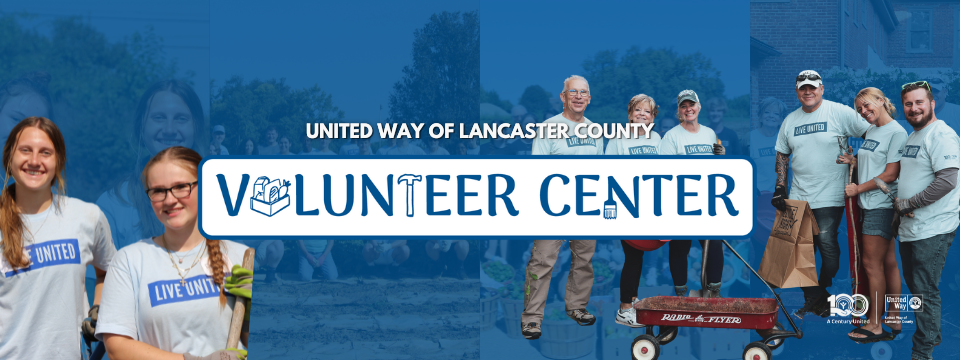

Gone are the days when volunteering meant committing to the same shift every week for months on end. Today's volunteers are showing up with passion, purpose-and busy schedules. The good news? The world of volunteering is evolving right along with them.
Welcome to the era of flexible and skills-based volunteering, where impact meets adaptability.
A New Way to Make a Difference
People still care deeply about giving back to their communities. What's changed is how they want to do it. Many volunteers are now seeking opportunities that fit into their lives-think short-term projects, one-day events, or even remote roles they can do from home.
At the same time, organizations are tapping into something powerful: the professional skills volunteers bring to the table. Instead of only filling general roles, nonprofits are increasingly inviting individuals to contribute expertise in areas like marketing, finance, graphic design, IT, and more.
This shift is a win-win. Volunteers get to use their strengths in meaningful ways, and organizations benefit from high-impact contributions that move their mission forward faster.
Why It Matters
Flexible, skills-based volunteering doesn't just make participation easier-it makes it more effective. When the right person is matched with the right task, the results can be transformational.
But with this new model comes a need for more thoughtful planning. Organizations must be intentional about how they recruit, match, and support volunteers in these roles.
Two Key Facts to Know
- Fact #1: A growing number of volunteers prefer short-term or project-based opportunities over long-term commitments, especially working professionals and younger generations.
- Fact #2: Skills-based volunteering can significantly increase organizational impact, with some nonprofits reporting higher-quality outcomes and cost savings when using skilled volunteers.
Three Best Practices for Success
1. Be Clear and Specific About Roles
When recruiting for skills-based opportunities, clarity is everything. Outline exactly what's needed, the expected time commitment, and the desired outcomes. This helps attract the right volunteers and sets everyone up for success from the start.
2. Match Skills to Purpose Thoughtfully
It's not just about filling a gap-it's about making the right match. Take time to understand a volunteer's background, interests, and goals. When people feel their unique skills are valued, they're more engaged and likely to return.
3. Provide Strong Onboarding and Support
Even highly skilled volunteers need guidance. Offer a clear onboarding process, introduce them to your mission, and provide a point of contact for questions. Ongoing communication ensures projects stay on track and volunteers feel connected.
The Bottom Line
Flexible and skills-based volunteering isn't just a trend-it's the future. By embracing this approach, organizations can unlock new levels of impact while meeting volunteers where they are.
Whether someone has a few hours to give or a specialized skill to share, there's a place for everyone to make a difference-and that's something worth getting excited about.