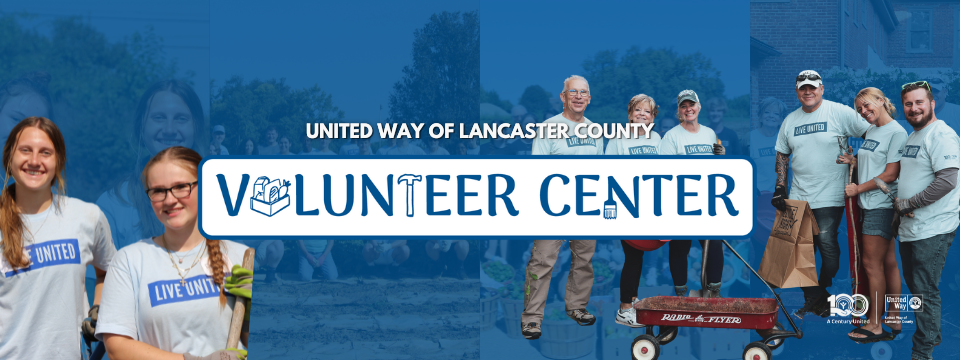

There is something quietly powerful that happens when a group of colleagues stops talking about quarterly targets and starts building a community garden, mentoring a first-generation college student, or assembling care packages for families in crisis. Corporate volunteering isn't charity-it's connection. And when it's done right, it changes everything.
Yet, too many well-meaning volunteer days end in frustration: nonprofits overwhelmed by underprepared groups, employees who feel like props in a photo opportunity, and impact that evaporates by Monday morning. The difference between a forgettable afternoon and a transformative partnership comes down to intention, structure, and trust.
74%
of employees say volunteering together improves team morale and communication.
$52B+
worth of skilled volunteer time is contributed to nonprofits annually in the
United States.
3× More Likely
Engaged employees who volunteer are more likely to stay with their employer
long-term.
Start With the Nonprofit's Real Needs
The most common mistake corporate teams make is designing the volunteer experience around what is convenient for them rather than what is actually useful for the organization they are serving. Reach out to your nonprofit partner weeks-not days-in advance. Ask them plainly: What do you actually need help with, and what would create more work for your staff than it would solve? That honest conversation is the foundation of everything.
"Volunteers are an organization's most underutilized resource-but only when they're deployed with purpose, not just good intentions."
- Nonprofit Leadership Alliance
Build a Project Framework That Works
Successful volunteer projects don't happen by accident. They are planned with the same care and attention that a company brings to a product launch. Before the day arrives, both teams should align on a clear scope, defined roles, realistic timelines, and a single point of contact on each side. Ambiguity is the enemy of impact.
Co-design the project
Involve nonprofit staff in the planning process, not just the execution. Their
knowledge and perspective are invaluable.
Match skills to tasks
A team of marketers can strengthen a nonprofit's social media presence, while a
group of builders can transform a community space. Skill-based volunteering
multiplies impact.
Brief your team beforehand
Share the mission, the population being served, and the expected outcomes.
Volunteers who understand the "why" show up differently.
Designate a team lead
One person should oversee logistics, maintain momentum, and serve as the
liaison between both organizations throughout the project.
Build in a debrief
A 15-minute reflection at the end of the project helps participants process the
experience and lays the groundwork for a lasting partnership.
Think Long-Term, Not One-and-Done
The most impactful corporate-nonprofit partnerships are not annual photo opportunities-they are ongoing relationships built on mutual respect, shared goals, and consistent follow-through. Commit to a cause for a year. Send the same team. Learn the names of the people you are serving. The compound effect of sustained engagement is extraordinary.
"The best corporate volunteers don't just show up-they show up again and again, until the community no longer needs them."
- Points of Light Foundation
When companies treat volunteering as a strategic investment rather than a checkbox, something remarkable happens: employees feel proud, nonprofits thrive, and the company itself becomes more human. That's not just good citizenship-it's good business.
The world doesn't need more volunteers who mean well. It needs teams that are prepared, present, and committed to making a meaningful difference.